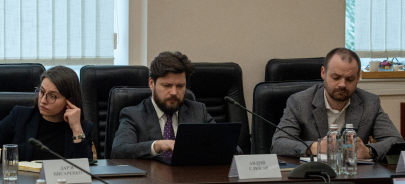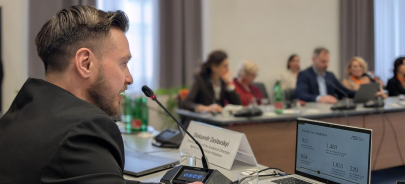
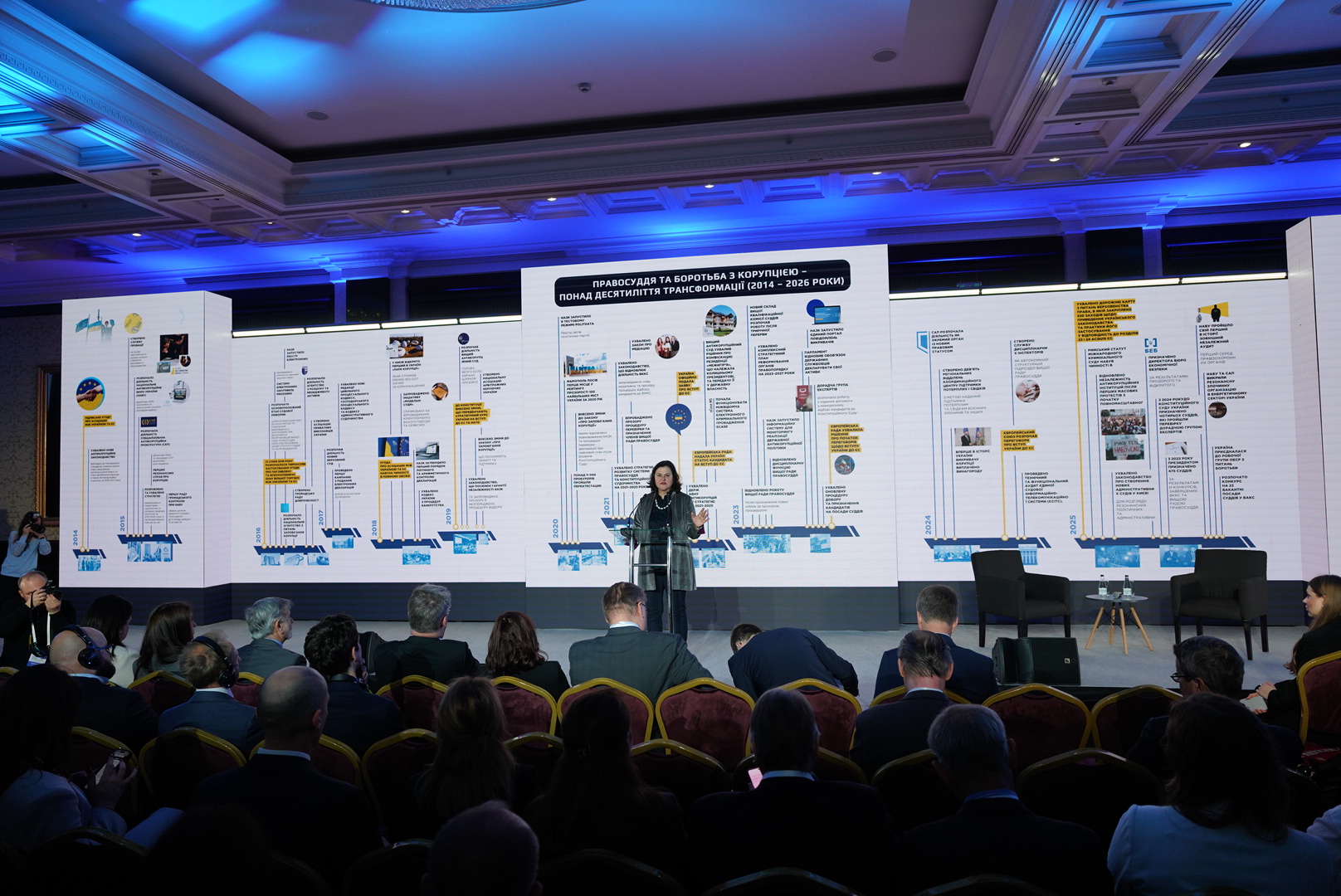
A year ago, the Government approved the Roadmap on the Rule of Law — a strategic document outlining a package of reforms in this area. The recommendations of the Roadmap are fundamentally significant for the opening of Negotiation Cluster 1: ‘Fundamentals’, and the fulfilment of the commitments set out therein plays a decisive role in Ukraine’s accession to the European Union.
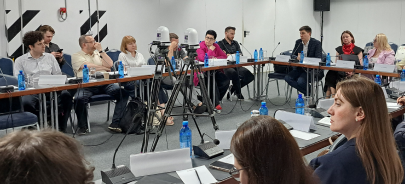
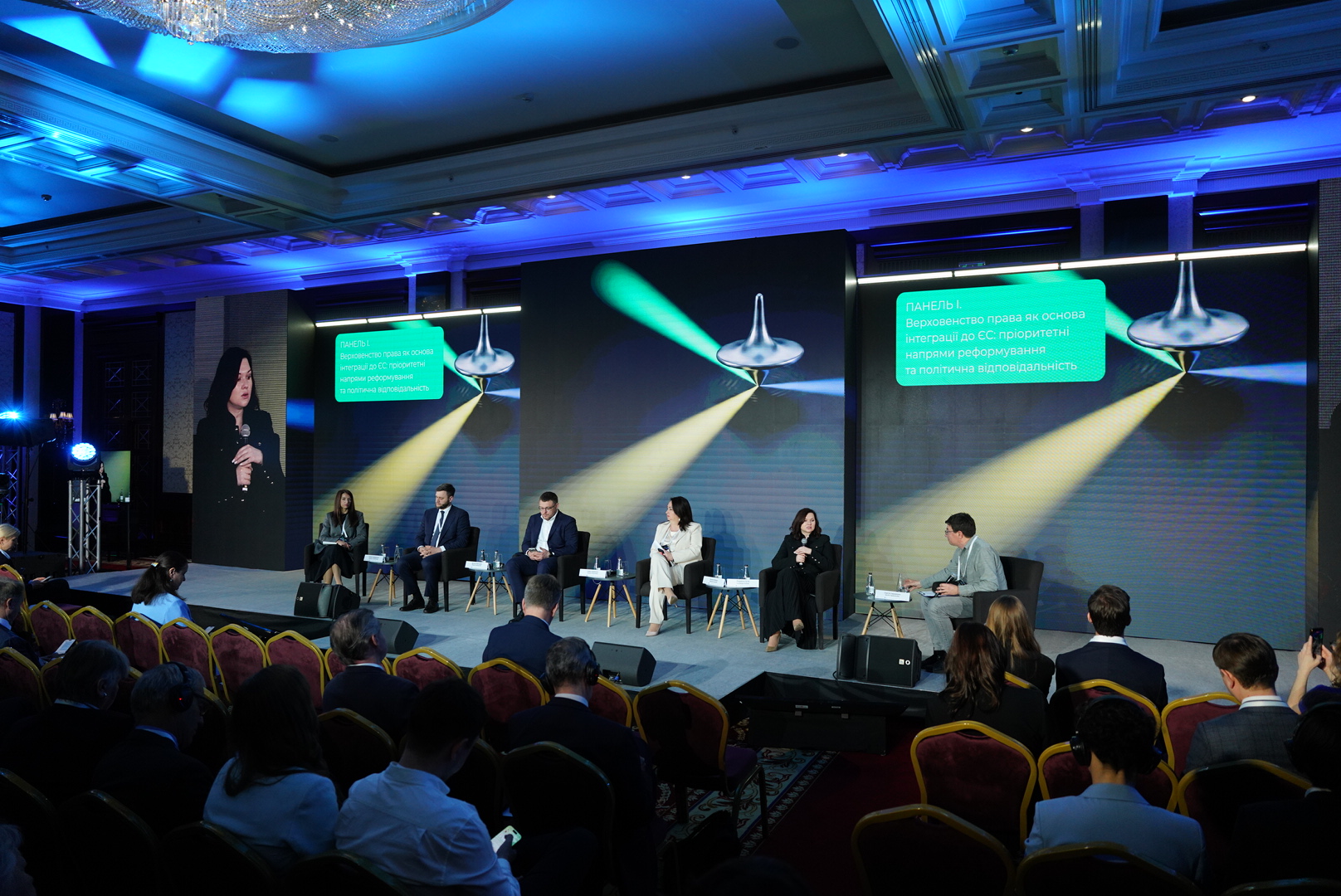
The event, titled ‘Roadmap on the Rule of Law: One Year On’, addressed Ukraine’s progress to this point and the obstacles still impeding its path towards the EU. The event brought together representatives from government, state bodies and civil society, including Svitlana Matviienko, Executive Director of the Agency for Legislative Initiatives. International partners were also present, including the European Union Ambassador to Ukraine, Katarína Mathernová; the Ambassador Extraordinary and Plenipotentiary of the French Republic to Ukraine, Mr Gaël Veyssière; and the Ambassador Extraordinary and Plenipotentiary of the Federal Republic of Germany to Ukraine, Mr Heiko Thoms.
Lyudmyla Suhak, Acting Minister of Justice, emphasised that the adoption of the Roadmap is one of the pivotal stages in Ukraine’s European integration process, but its true value will be measured by the results of its implementation. At present, it is critical to ensure harmonious efforts by all authorities and partners in order to put the planned reforms into practice. After all, this also concerns the strengthening of the rule of law, ensuring a transparent and independent justice system, effectively preventing corruption and safeguarding human rights.
Taras Kachka, Deputy Prime Minister for European and Euro-Atlantic Integration, highlighted that the Roadmap solidifies the steps required to complete all the processes launched during the Revolution of Dignity and enables further progress. He noted that the rule of law is a prerequisite for membership of the European Union and the cornerstone of trust between the state, society, business and international partners.
An inextricable part of this journey and a benchmark for implementing these changes is the Shadow Report, which a coalition of civil society organisations, coordinated by the ALI, has been releasing for three consecutive years. In particular, the 2024 Shadow Report presents more than 500 specific recommendations covering issues related to the rule of law, judicial independence, reform of law enforcement agencies, human rights protection, the fight against corruption and organised crime, and more. It lays the groundwork for the European Commission’s annual Enlargement Report, which is widely covered in the media and discussed by the public.
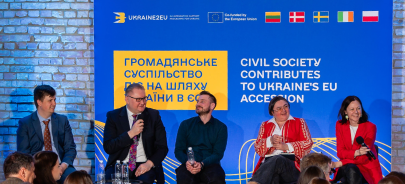
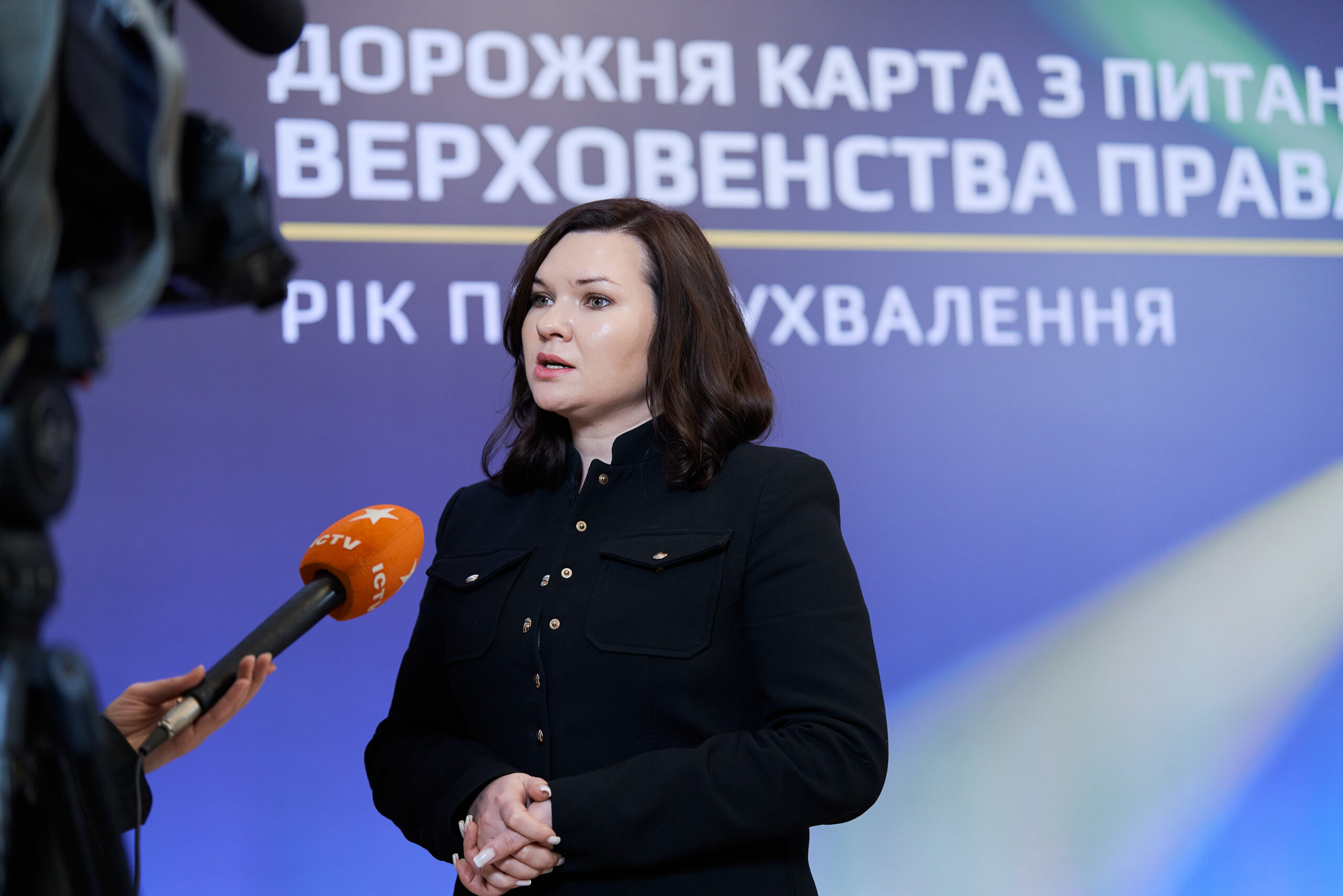
Svitlana Matviienko also mentioned the importance of this societal control mechanism and the role of the public in these processes in general during the panel discussion ‘Rule of Law Reform: A Unified Call from Ukrainian Society’:
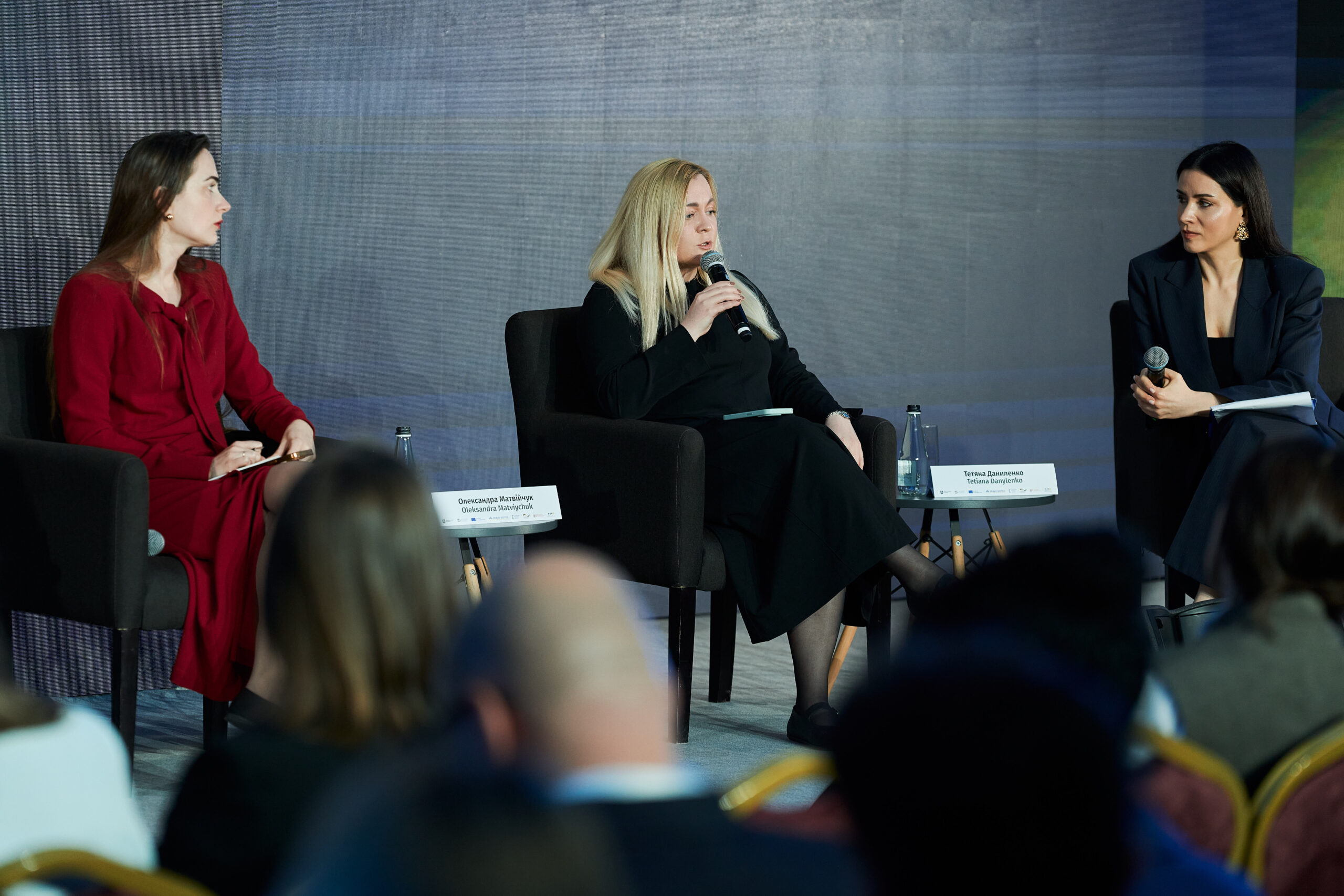
The Executive Director of the ALI also pointed out that we need to gradually and systematically employ all available mechanisms to streamline processes, communicate concerns and collaborate on all the challenges that arise during the reform process, rather than becoming entangled in polarised opinions. Civil society has different ways of conveying information — some informally, others formally. Large and influential think tanks, which have the genuine capacity and ability to discuss the rule of law, employ a combination of these mechanisms.
Svitlana Matviienko also pointed out that one of the key factors is trust in the reforms. First and foremost, this is reflected in trust in institutions — how we perceive them, relate to them, work with them and how transparent they are. At this stage of the reform, this is more important than the figures themselves, which can vary significantly depending on methodology or survey respondents.
The event was co-organised by the Ministry of Justice of Ukraine and the Office of the Deputy Prime Minister for European and Euro-Atlantic Integration, in collaboration with the EU Project Pravo-Justice, implemented by Expertise France, and the GIZ Programme ‘Strengthening Ukraine’s Accession to the EU in the Rule of Law’.