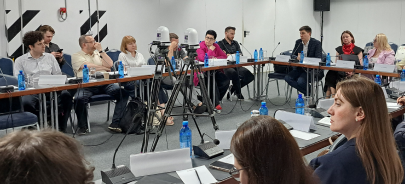
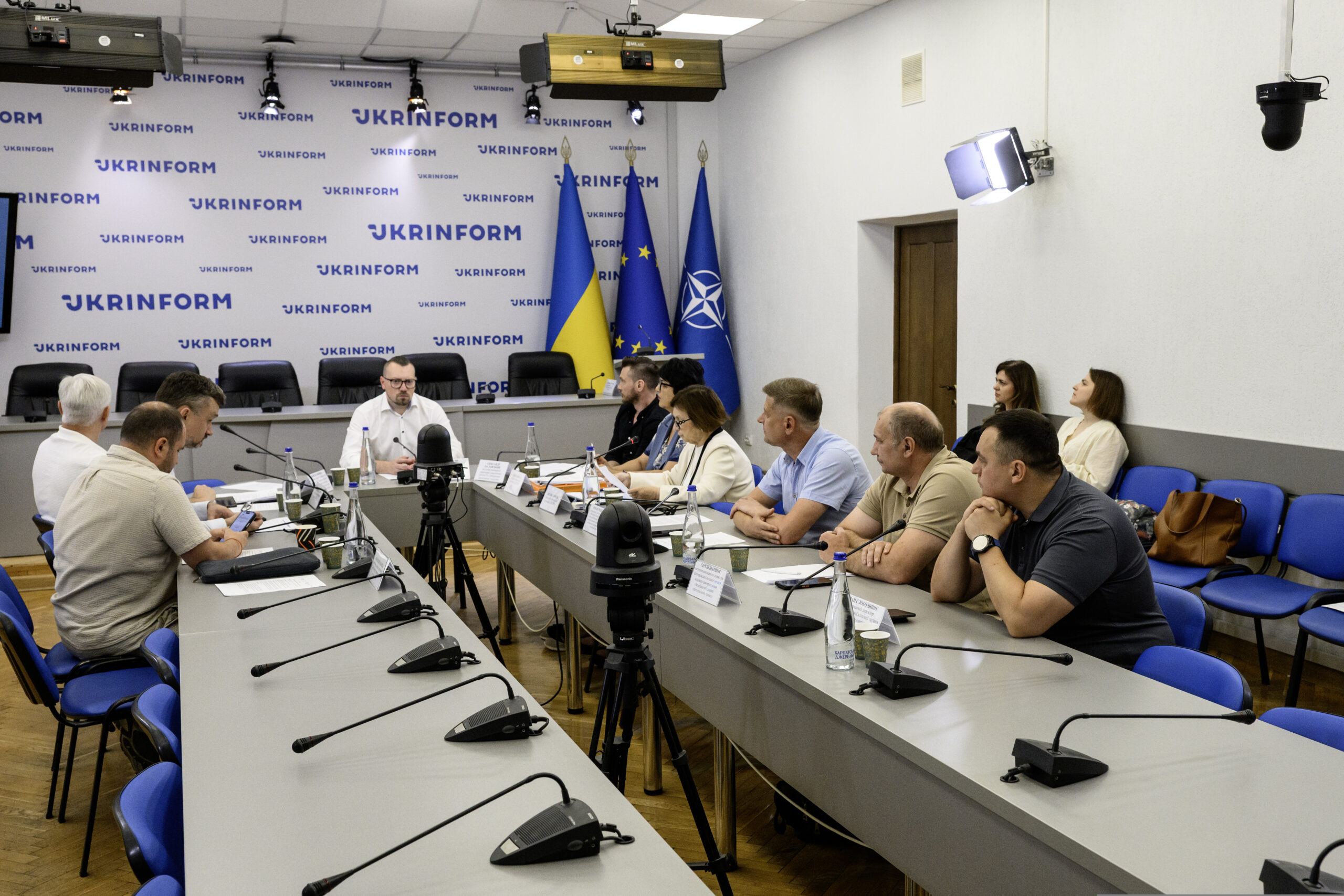
At a round-table discussion, the Agency for Legislative Initiatives (ALI) presented its study on how local councils function under martial law. The event, organised jointly with the NGO DESPRO, brought together members of the Verkhovna Rada Committee on the Organisation of State Power, Local Self-Government, Regional Development and Urban Planning, as well as representatives of the Ministry for Development of Communities and Territories of Ukraine, the Central Election Commission, all-Ukrainian associations of local self-government bodies and civil society.
The findings of the study ‘Local Councils under Martial Law’ were presented by Oleksandr Zaslavskyi, ALI Deputy Executive Director for Analytical Work.
It is important for Ukraine to preserve a system of self-government that underpins the viability of communities. The legitimate foundation of local self-government was laid before the full-scale invasion, but the number of council members in some councils is declining for various reasons. This affects quorum requirements and creates a risk that the councils will no longer have the legally required composition to exercise their powers.
ALI’s analysis covered 24 regional councils, 119 district councils, 1,449 village, settlement and city councils and Kyiv City Council. At regional level, the Donetsk and Luhansk regional councils are not functioning, as they were not elected in the 2020 local elections. In addition, the Zaporizhzhia Regional Council held no plenary sittings in 2025. At district level, 17.6% of councils are not functioning, while the figure at basic level, comprising village, settlement and city councils, is 14.6%. This situation primarily concerns Kherson, Luhansk and Donetsk regions.
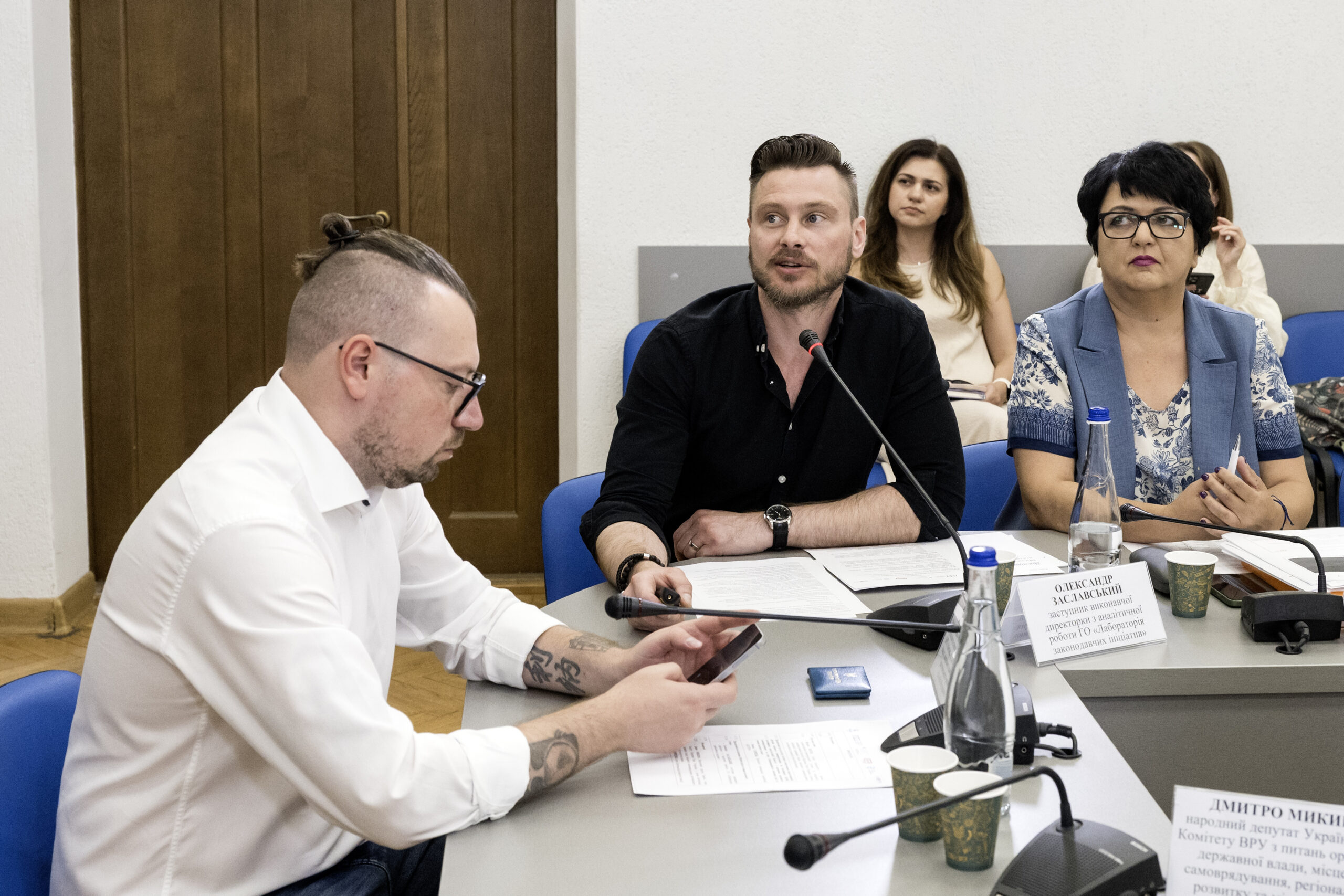
The expert added that basic-level councils also have the largest number of vacant mandates. At the beginning of February 2026, 3,407 mandates in basic-level councils were vacant. The principal ground for the early termination of a mandate is a council member’s personal resignation. This may be linked to migration, including internal displacement, and restrictions on local council members crossing the state border. Reduced motivation and the lack of readiness of some council members to perform their duties under the extreme conditions of war also cannot be ruled out.
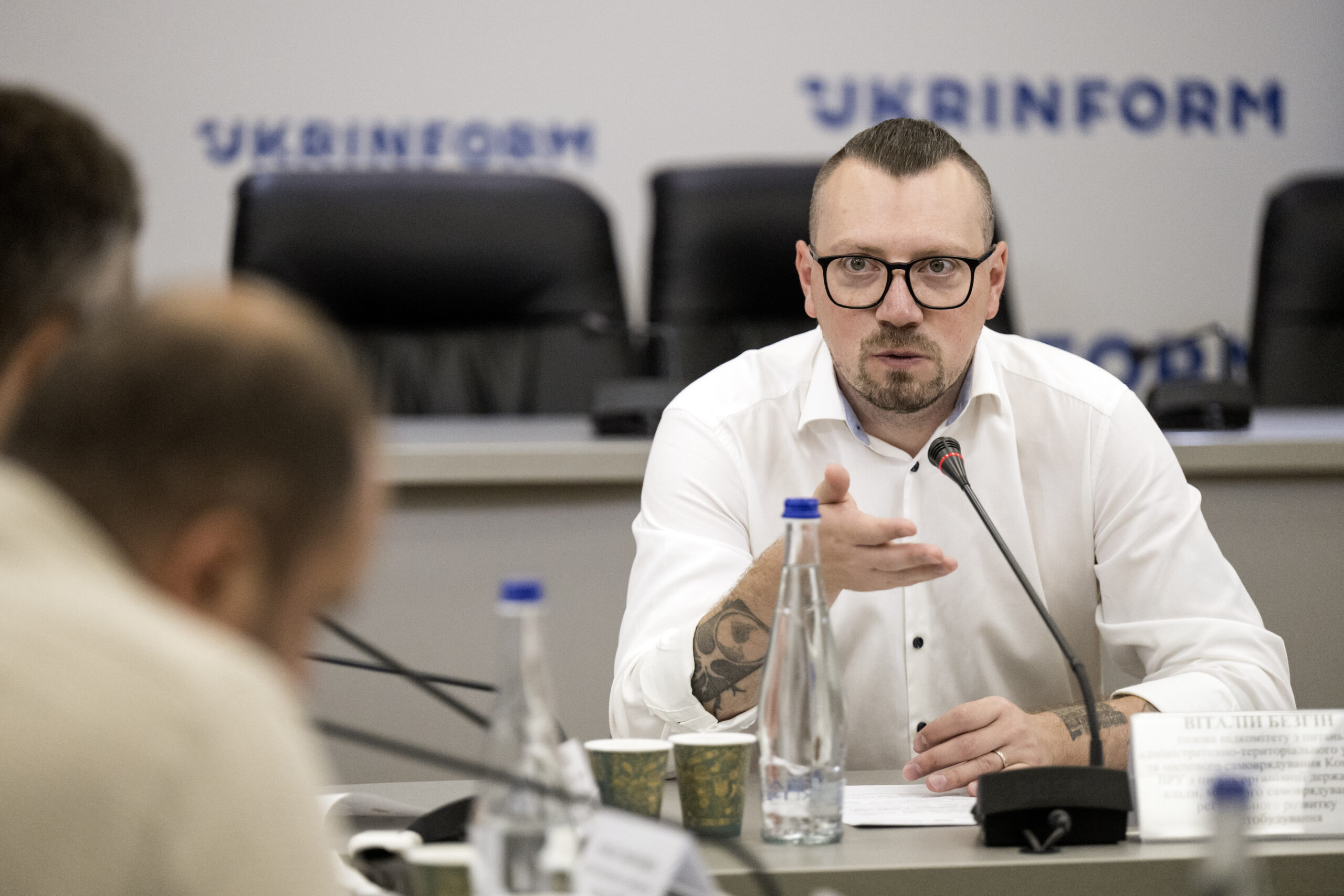
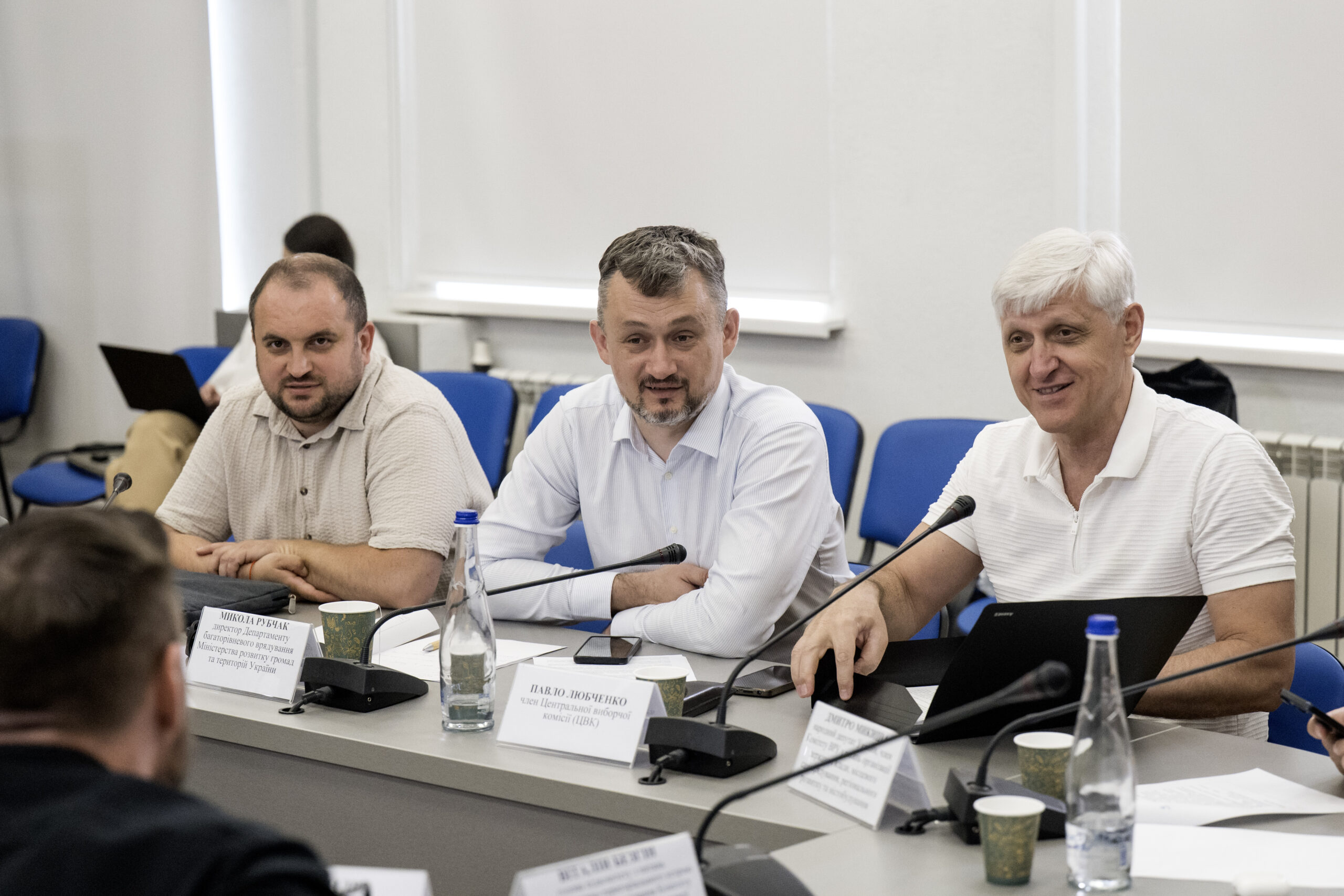
Vitalii Bezghin, Chairman of the Subcommittee on Administrative and Territorial Organisation and Local Self-Government of the Committee on the Organisation of State Power, Local Self-Government, Regional Development and Urban Planning, emphasised that, despite the war, Ukraine has preserved the fully democratic nature of its system of multi-level governance. Local self-government nevertheless faces daily challenges, with the declining number of local council members becoming a particularly acute problem. The issue is usually discussed in the context of communities with up to 10,000 voters, but in reality, it affects all levels of local self-government.