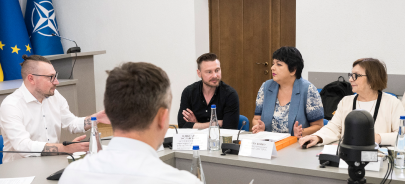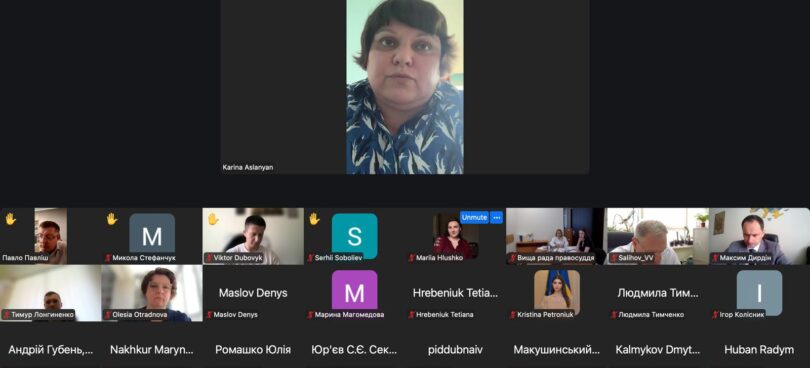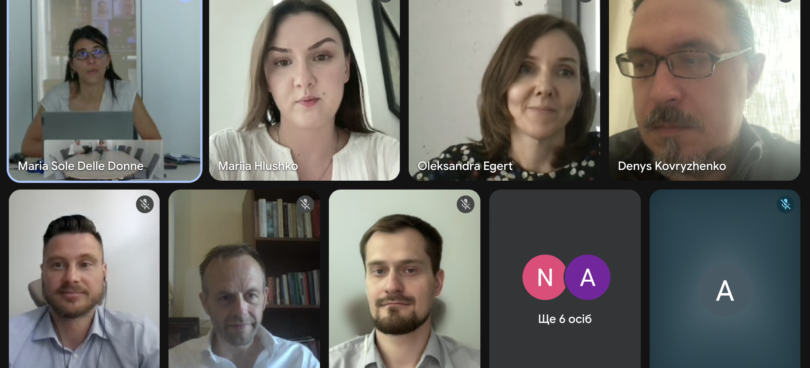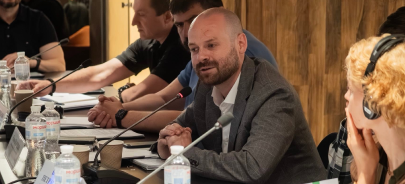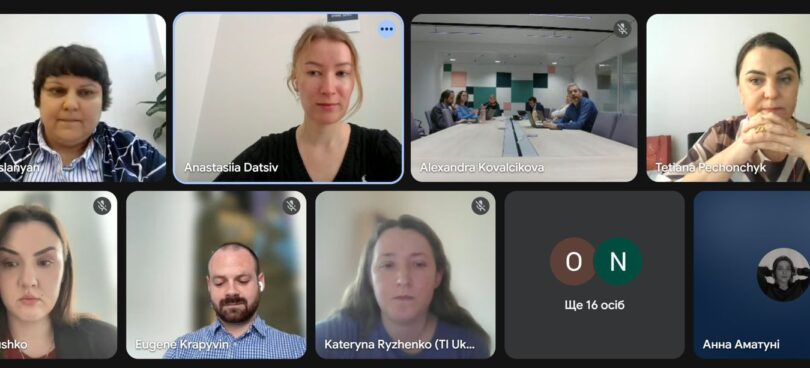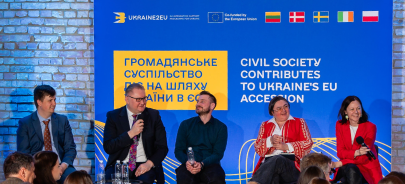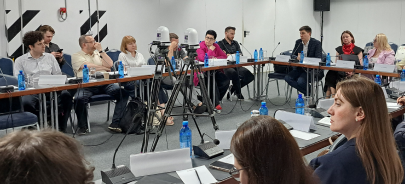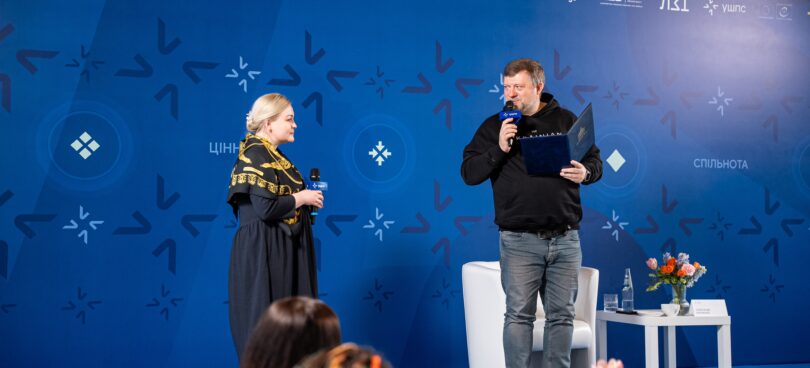

On November 24, Secretariat employees of VRU Committees took part in a training to come to know the beta version of the Portal for Public Discussion of Draft Laws and the Electronic Register of NGOs.
The Portal for Public Discussion of Draft Laws was designed within the USAID RADA Program in cooperation with the Secretariat of the Verkhovna Rada of Ukraine. It was created in accordance with the recommendation of the European Parliament Mission concerning the internal reform and institutional capacity of the Verkhovna Rada. The Portal for Public Discussion of Draft Laws makes it possible for a user to look through the bills being discussed, follow the discussion, and get a link to the card. In addition, the user can discuss not only a document as a whole but also particular articles.

Ihor Kohut, Director of the USAID RADA Program, emphasized the importance of launching these information resources:
Oleksii Sydorenko, Head of Computerized Systems Department of the Verkhovna Rada of Ukraine, said,
Victoriia Baklazhenko, Project Manager of the Agency for Legislative Initiatives, presented the Electronic Register of NGOs containing information on non-governmental organizations that can collaborate with committees. The register, designed by the Agency, provides full information about an organization, its fields of activity, funding, employee information and contact details. If the organization is not in the database, a committee may send a request for cooperation.
The database is enlarged by way of filling in the form by NGOs, while the data provided are carefully checked. The committees can invite organizations to events, hearings, expert discussions, including development of innovative tools such as Shadow Reports and Policy Papers.

Committee employees were actively involved in the discussion. They proposed to add academic institutions to the register of public organizations in order to bring experts from different backgrounds to discussions. In the future, it is planned to expand possibilities of the portal, e.g. involve certain categories of people in a discussion, first of all experts, and set certain filters.
All participants of the event supported the idea of simplifying communication between voters and MPs.